Generators: plan the connection before the next outage
Before choosing a generator, decide what you really want to keep running during an outage. A refrigerator, a pump and a few lights are a different project from powering many circuits in the house. The connection method needs to be part of the decision from the start.
List your priorities, one appliance at a time
Start with the functions that matter to your household: keeping food cold, supporting a pump, providing light or maintaining some means of communication. Record the equipment models and give their specifications to the electrician. Avoid choosing an output simply because it seems right for a house of your size.
Discuss day-to-day use during an outage too. Who will be home? Can that person move the equipment outside and follow its instructions? Would you prefer a system with automatic transfer? These answers help compare solutions for your situation, while distinguishing the number of circuits supplied from the runtime you want.
Standalone power and a connection to the house
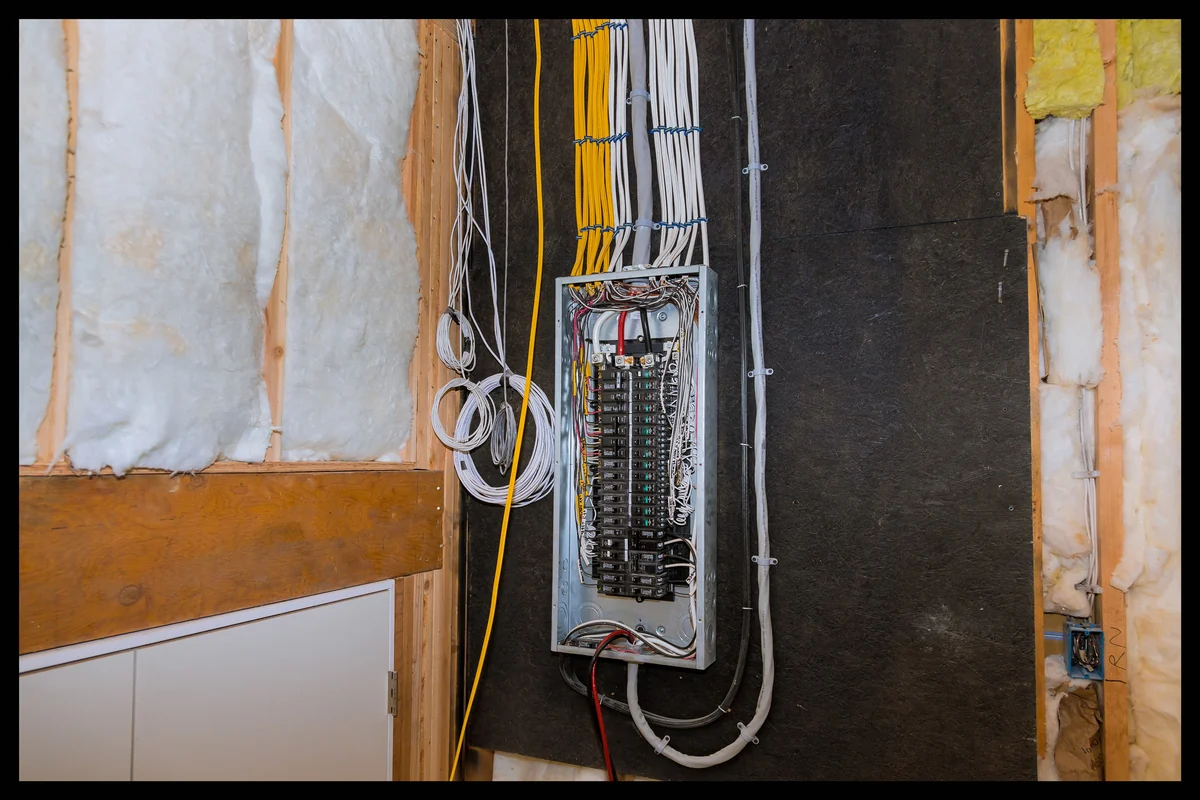
Hydro-Québec distinguishes temporary equipment used independently from permanent installations connected to the panel. In the first case, appliances are supplied directly using appropriate extension cords. In the second, the installation requires a master electrician and a device that isolates the home from the grid.
The transfer switch prevents incompatible supplies from the two sources. An improvised connection can send power back into the grid and endanger utility crews. Never plug a generator into a wall outlet or use a male-to-male cord. If you want to power the home’s circuits, have the connection designed for that purpose, even if the generator itself is portable.
Learn more: Hydro-Québec — Backup power: three key rules (French)
Make sure a safe location is actually possible
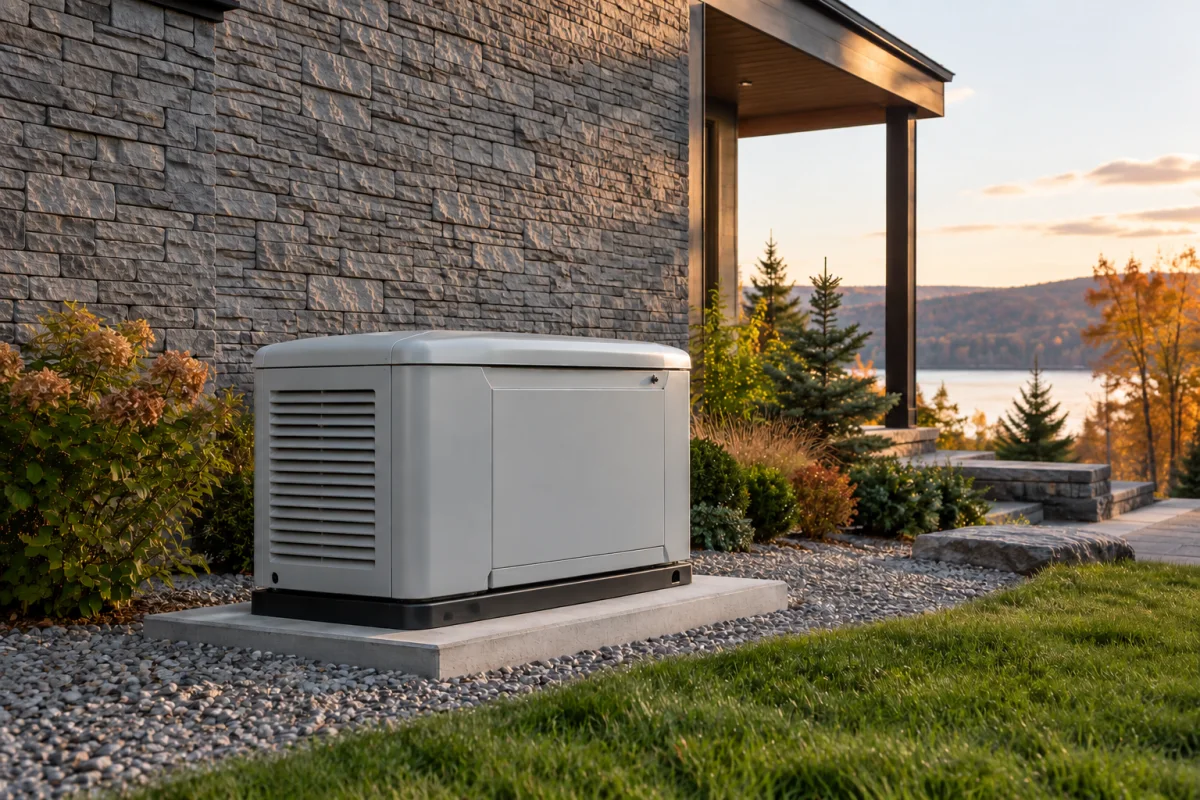
A fuel-powered generator produces carbon monoxide. Health Canada recommends operating it at least six metres from any building, with the exhaust directed away from open doors and windows. A garage, shed or the inside of a home is never an operating location.
Identify openings in your home and neighbouring buildings before buying. For a fixed installation, have the location, clearances, local requirements and manufacturer’s instructions checked. Include maintenance and winter access in the discussion: the location must remain usable when you need it.
Learn more: Health Canada — Preventing carbon monoxide exposure (French)
CO alarms are part of the preparation
Carbon monoxide is invisible and odourless. Québec.ca stresses the need for an alarm to detect its presence. Plan for appropriate alarms and test them according to the manufacturer’s instructions. A generator’s built-in shutoff device does not replace the alarms in your home.
If a CO alarm sounds, go outside and call 911. Wait for permission from the fire department before going back inside. Everyone who may use the equipment while you are away needs to know this instruction.
Learn more: Québec.ca — Preventing carbon monoxide poisoning (French) · Health Canada — Preventing carbon monoxide exposure (French)
Ask for a complete handover
Before the work is finished, ask for the supplied circuits to be identified and the system’s operation explained. Keep manuals, maintenance information and useful contact details together. Clarify which tasks are yours and which require a professional.
- Which equipment can run together and which limits must be respected.
- How the source-transfer arrangement works for your installation.
- The manufacturer’s operating, maintenance and fuel instructions.
Sources
- Hydro-Québec — Backup power: three key rules (French)
- Health Canada — Preventing carbon monoxide exposure (French)
- Québec.ca — Preventing carbon monoxide poisoning (French)
This information helps you prepare a project. An electrical contractor must assess the condition of your system and the work required.
Is your project taking shape?
Plan a connection for the equipment that matters to you.
Explore this service