A home EV charger: plan well from the start
A charger should fit your routine as well as your home. Before buying the equipment, take time to think about where you park, how much you drive and what work may be needed to bring power to the right spot. These details make the conversation with your electrician much more useful.
Start with your usual day
Note your daily driving distance and how long your vehicle stays at home. Hydro-Québec distinguishes between charging from an ordinary outlet and residential Level 2 charging at 240 volts. The time required depends on the vehicle and the charging setup: an advertised charging speed does not tell the whole story.
Mention the less typical days too: a regular long trip, arriving late before an early departure, or a second vehicle you are considering. The aim is to meet your needs without assuming you always need a charger’s maximum advertised output.
Learn more: Hydro-Québec — EV charging (French)
Have the available power assessed
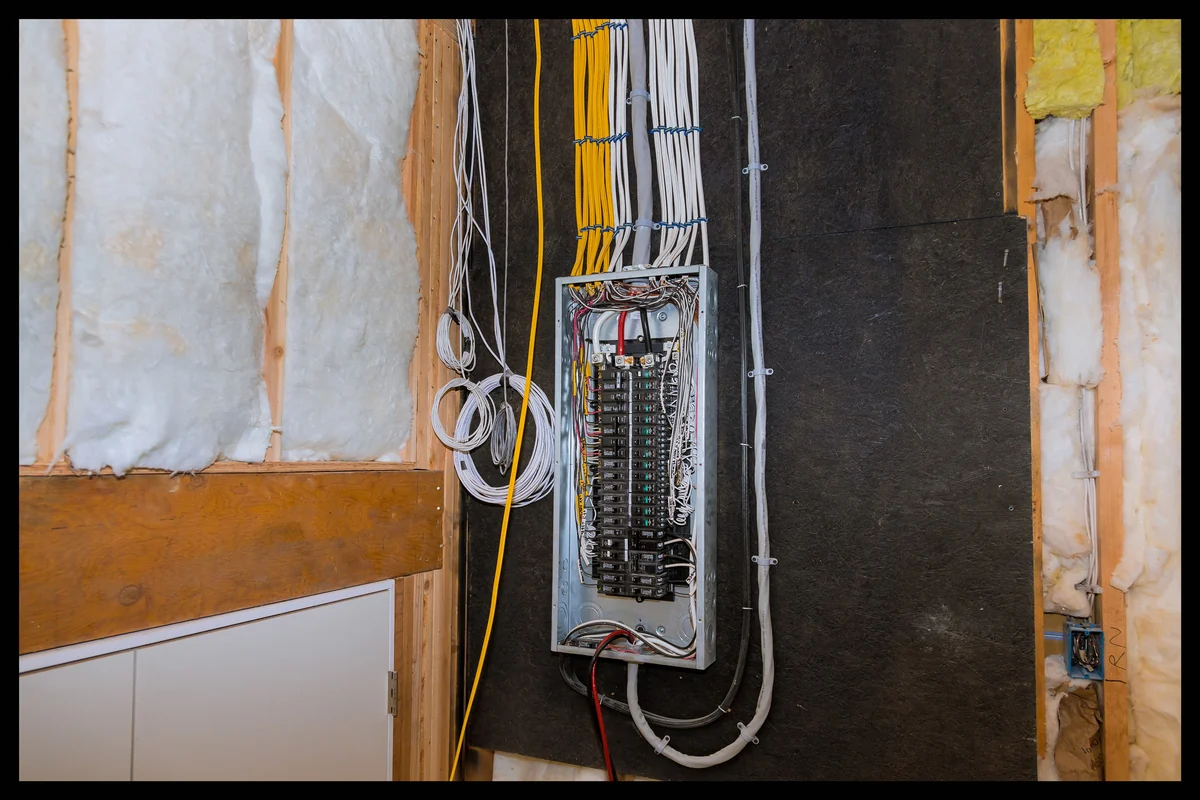
A photo of the panel helps prepare for a visit, but it does not confirm available capacity. The electrician must consider the home’s electrical system and loads. The CMEQ provides different service-load calculations for different building types. In a condo or multi-unit building, explain which unit and parking space are involved from the start.
In Québec, electrical work must be carried out by an electrical contractor holding the required licence. An existing 240-volt outlet therefore needs its use and compatibility checked before it becomes your charging solution.
Learn more: CMEQ — Service-load calculators (French) · Québec.ca — Home charger installation work (French)
Choose the location with your car in mind
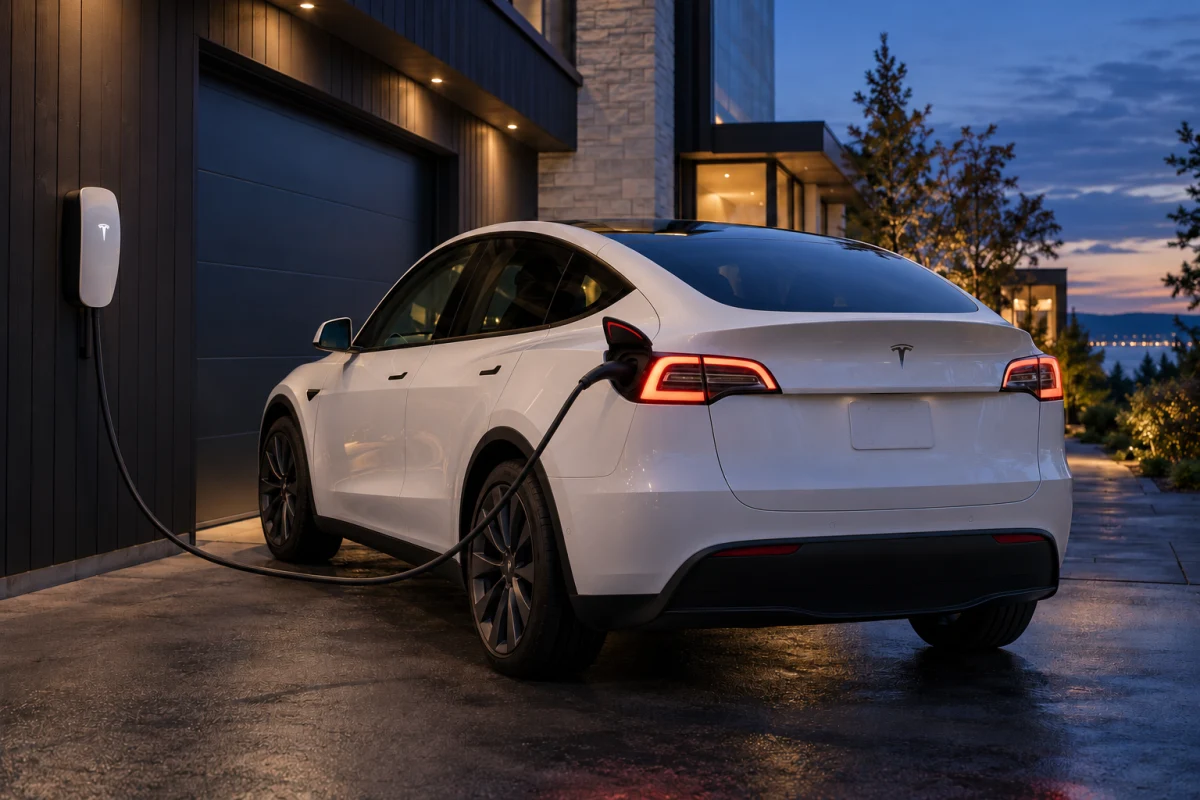
Picture your car in its usual space, with the charging port on the correct side. Consider the cable route, walking paths, door clearance and snow removal. A convenient spot on a wall may be less practical once the car is parked.
The route from the panel matters too. Tesla identifies cable length, trenching, a pedestal and work behind walls as factors that can change the scope of an installation. Ask for the proposed route and finishing work to be specified in the quote.
Learn more: Tesla Canada — Home charging (French)
For a Tesla Wall Connector, plan for commissioning too
Provide the exact model of the product to be installed. Keep the quick-start guide from the box: its QR code is used during setup. Arrange access to your Tesla account and Wi-Fi network without sharing passwords in a quote request.
Tesla’s process includes installer configuration, a Wi-Fi connection and registering the charger to the customer to access app features. Confirm that these steps are included in the work. At handover, ask for a charging demonstration and check that the equipment appears in your own app.
Learn more: Tesla Canada — Wall Connector installation and commissioning · Tesla Canada — Home charging (French)
Details that make the first conversation easier
Put together a small, easy-to-read file. Only photograph what is accessible without removing covers or touching wiring. An overview is often more useful than a series of close-ups without context.
- Your vehicle model and the charger model, if you have chosen one.
- A photo of the closed panel and any labels visible without taking anything apart.
- Views of the parking area and the wall where you would like the charger.
- Your current needs, future plans and any access constraints.
Sources
- Québec.ca — Home charger installation work (French)
- Hydro-Québec — EV charging (French)
- CMEQ — Service-load calculators (French)
- Tesla Canada — Home charging (French)
- Tesla Canada — Wall Connector installation and commissioning
This information helps you prepare a project. An electrical contractor must assess the condition of your system and the work required.
Is your project taking shape?
An installation designed around your vehicle and your daily routine.
Explore this service